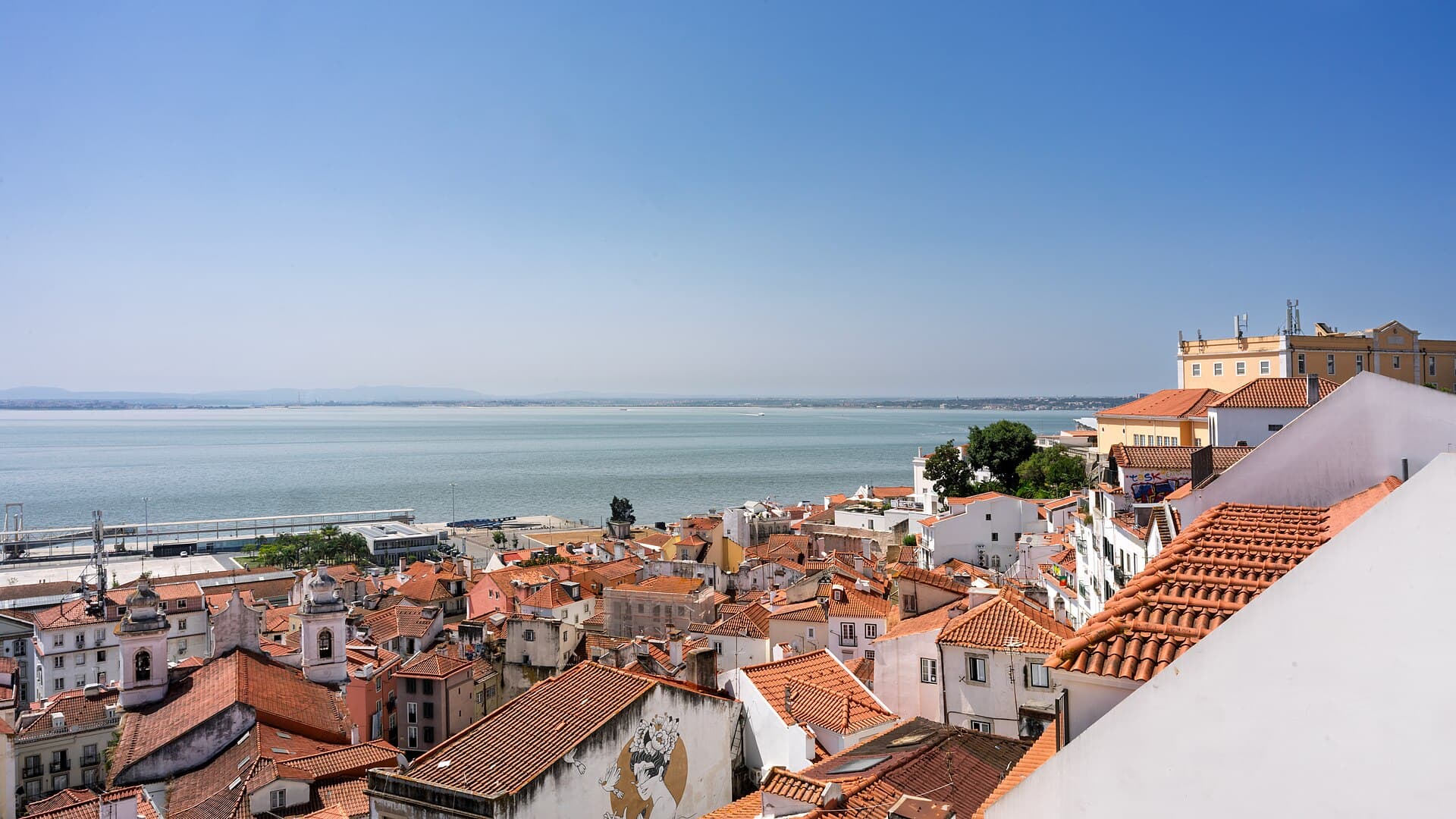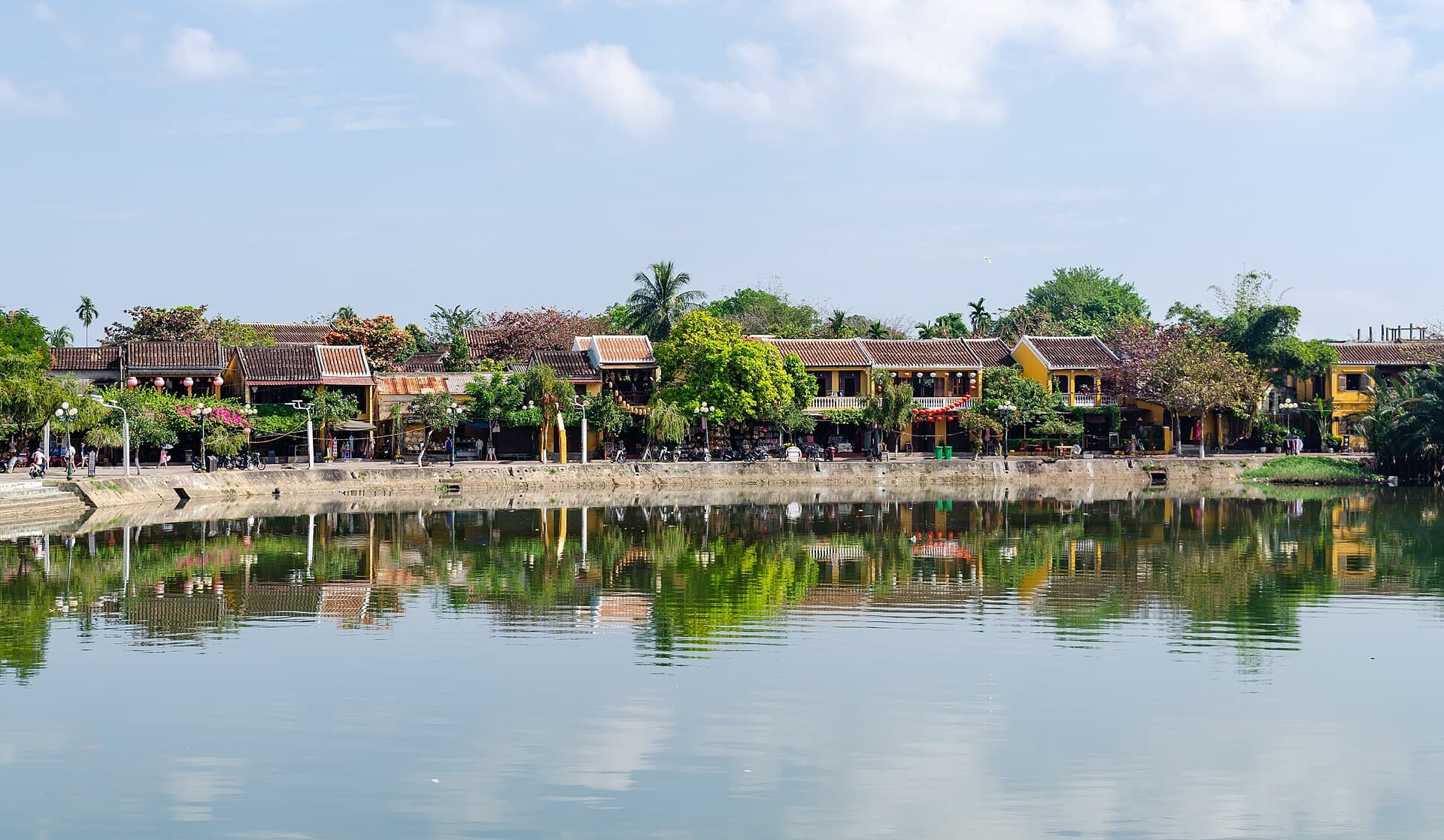
Vietnam has a pretty convincing argument for a longer holiday. Hanoi has streets full of food stalls and coffee shops, Ninh Binh has mountains rising out of the rice fields, and Hoi An has an old trading town just a short drive from the beach. The scenery changes completely between those places. That's what makes this route interesting.
For ten days, my recommendation is to start in Hanoi, spend two nights around Ninh Binh, and finish in Hoi An. You'll see the capital, get out into the countryside, and have a few days near the coast. There's one domestic flight involved, but most of the trip is spent in the places you've come to see.
Below is how I'd put it together, including where to stay, what deserves your time, and the travel day that needs a little more planning.
How to Spend 10 Days in Vietnam
This itinerary covers the north and central coast. Fly into Hanoi and arrange your departure from Da Nang, the airport serving Hoi An. Ten days here means nine nights, with arrival on day one and departure on day ten.
- Days 1–3: Hanoi — three nights.
- Days 4–5: Ninh Binh — two nights.
- Day 6: Transfer to Hanoi airport, fly to Da Nang, then drive to Hoi An.
- Days 7–9: Hoi An — four nights including day six.
- Day 10: Depart from Da Nang.
Ho Chi Minh City doesn't feature in this route. Neither does the Mekong Delta. They're in the south, and adding them would take time away from the other stops. If seeing the entire country is important to you, give yourself a longer trip. Otherwise, these three bases make a good introduction.
Days 1–3: Hanoi
Hoan Kiem Lake and the Old Quarter
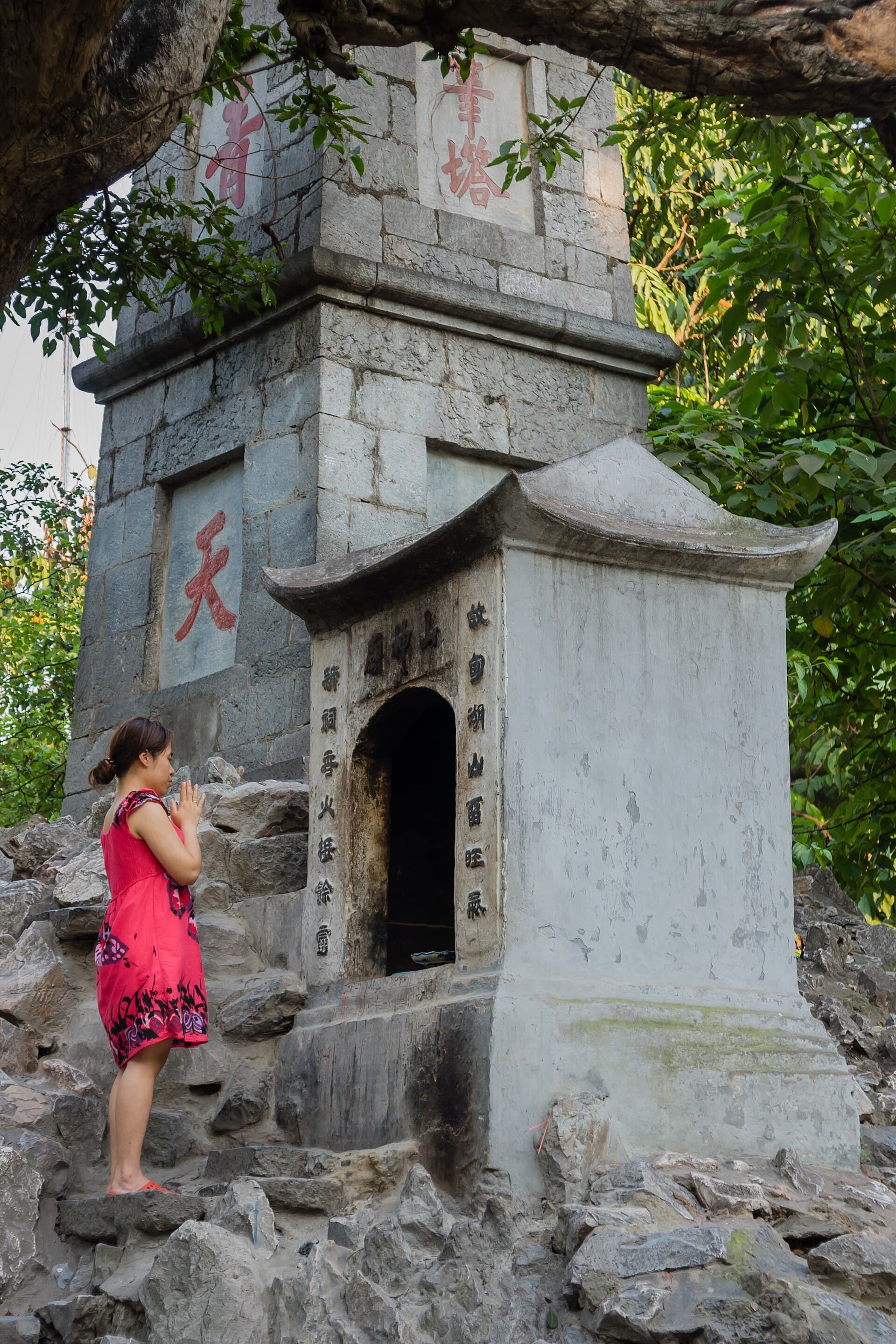
Hoan Kiem Lake is a useful place to begin in Hanoi. It gives you an open space to walk around, with the Old Quarter immediately to the north. The little tower out on the water and the red bridge leading to Ngoc Son Temple are two of the lake's best-known sights. You'll probably pass this area more than once if you stay nearby.
The Old Quarter is where the first part of this trip gets its energy. Shops open onto narrow streets, motorcycles pass between them, and food is a large part of what brings people here. Walk a few blocks, stop when something looks interesting, and don't expect the pavement to be an uninterrupted walking lane. For arrival day, this neighborhood and the lake are enough.
Stay near Hoan Kiem Lake or in the Old Quarter if you want restaurants and sightseeing close to your hotel. Check the room reviews for noise. Being above a busy street sounds convenient until you're trying to sleep, so an interior room can be worth asking for.
Temple of Literature
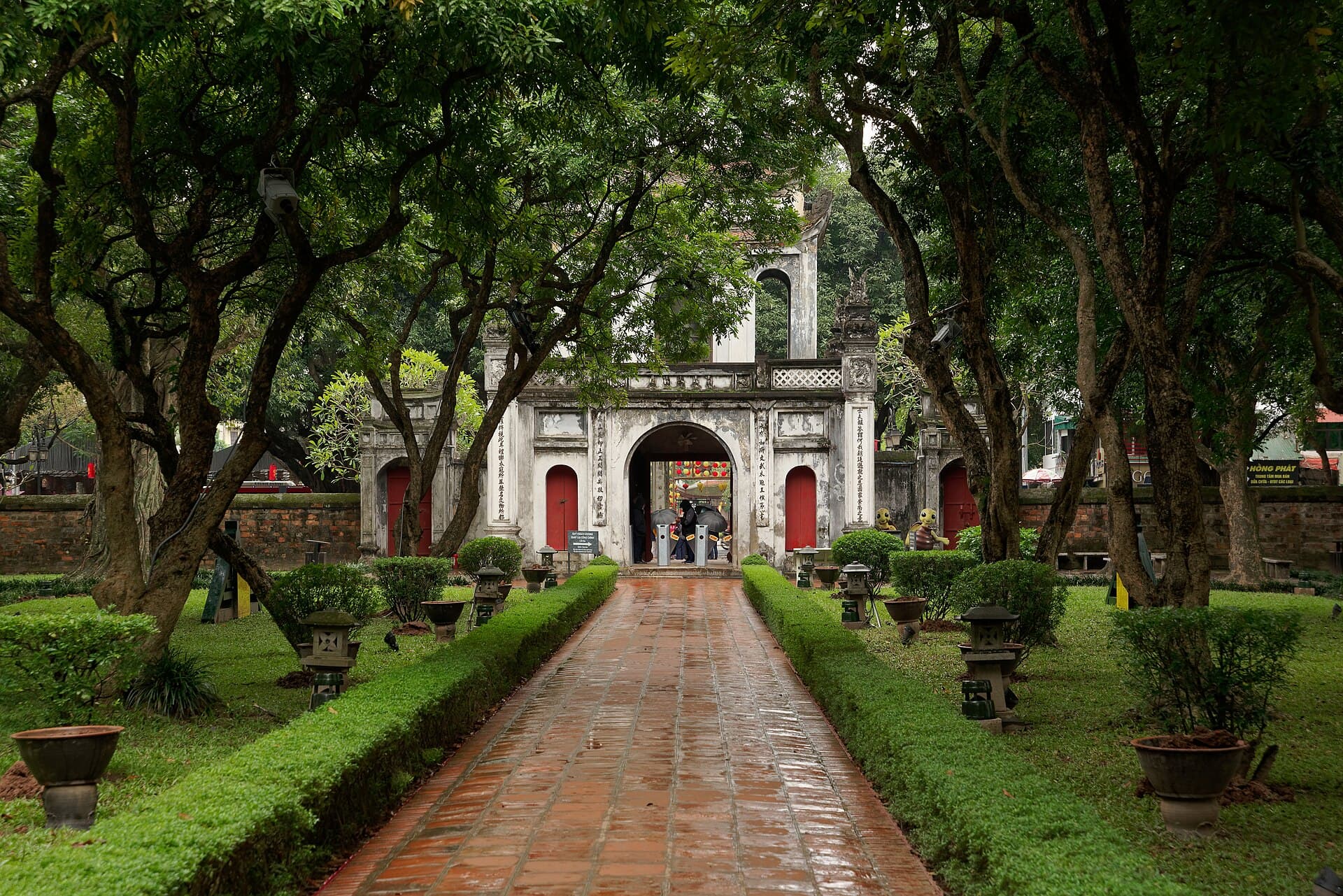
On your second morning, head to the Temple of Literature. This complex dates to 1070, with Vietnam's first national university established here in 1076. That's close to a thousand years of history in the middle of the capital. The courtyards, pavilions, and stone stelae are the reason to come; this is a place to walk through slowly and look at the details.
I like including it after the Old Quarter because it gives the trip some context. Hanoi isn't only a place to eat and shop. Education and scholarship have a long history here, and the temple makes that much easier to picture. Allow around an hour or two as a planning estimate, then head back toward the center for lunch.
What to Eat in Hanoi
Start with phở, the noodle soup you'll see throughout the city, and bún chả, which brings together grilled pork, rice noodles, and herbs. They give you two quite different meals without needing a long restaurant shortlist. Ask about the ingredients if you have dietary restrictions; a dish's name alone won't tell you everything in the broth or sauce.
Coffee deserves a stop of its own. Café Giảng is associated with Hanoi's egg coffee, a drink with a whipped egg mixture above the coffee. It sounds unusual if you haven't heard of it, but that's part of the appeal. Put it on your list if you like trying the food a city is known for. You can keep the rest of the afternoon free for the streets around the lake.
Vietnamese Women's Museum
For day three, visit the Vietnamese Women's Museum, south of Hoan Kiem Lake. Its displays look at women's roles in family life, history, and culture. After the grand buildings and temples, this is a chance to learn about people and everyday life, which is often the part of a country that's harder to understand on a short visit.
Spend the afternoon back in the Old Quarter or join a food walk if you'd prefer someone to explain what you're eating. Three nights in Hanoi gives you time to return to somewhere you liked. That's useful in a city where a lot of the enjoyment is in smaller stops between the famous sights.
Days 4–5: Ninh Binh
Where to Stay Around Ninh Binh
Ninh Binh is south of Hanoi. The tourism board describes the journey as roughly two hours, although your pickup point and transport will affect that. Trains arrive in Ninh Binh city; accommodation around Tam Coc or Trang An usually requires another transfer. Check the drop-off address before booking a bus as well.
For these two nights, I'd choose Tam Coc if being able to walk out for dinner matters most. Accommodation farther into the countryside around Trang An is appealing for the surroundings, but look at how you'll get between the hotel, boat dock, and restaurants. “Ninh Binh” on a booking website covers more than one kind of stay.
Arrive on day four, check in, and use the afternoon to explore nearby. Ask your accommodation about a bicycle route if you're comfortable cycling. A hotel-arranged car is another option, so there's no need to rent a motorbike to follow this itinerary.
Trang An Boat Trip

The mountains are the main attraction here. Limestone towers rise steeply above the waterways, and on a Trang An boat trip you travel between them and through caves. UNESCO recognizes the area for both its landscape and the evidence of human occupation found in its caves. It's more than a pretty place for a boat ride, although the view would be reason enough to visit.
Make this the main outing on day five. Several routes are offered, so compare their duration and stops at the ticket office before choosing. Vietnam Tourism's boat guide explains the difference between Trang An and nearby Tam Coc. For a short stay, one boat trip is plenty. Leave time to enjoy it rather than booking both because they're close together.
Bring a hat, water, and protection for your phone if rain is forecast. Most importantly, look away from the camera occasionally. Much of the attraction is simply moving through the landscape at the speed of a rowing boat.
Hang Mua Viewpoint
If you want a view from above, Hang Mua is the other stop to consider. There are nearly 500 stone steps up the mountain. From the higher viewpoints, you can see the fields, river, and surrounding limestone formations spread out below. The cave gives the place its name, but the climb is the reason most visitors put it on their itinerary.
This is a proper staircase climb, not a quick roadside lookout. Go when the temperature is manageable, wear shoes with grip, and skip the climb if the steps are slippery or you're uncomfortable with heights. You could fit it into day four after arriving, or do it on day five if the boat trip and weather leave enough time. The boat ride is my first choice if you only want one big activity.
Day 6: Getting From Ninh Binh to Hoi An
Today takes a little coordination. Travel from your Ninh Binh accommodation to Hanoi's Noi Bai Airport, fly to Da Nang, and continue by road to Hoi An. Choose the flight after confirming how long your airport transfer will take. An early departure can mean an extremely early start from Ninh Binh.
Da Nang airport is around 50 minutes from Hoi An's Ancient Town. Your hotel can quote for a transfer, or you can compare a licensed taxi or ride-hailing service. Check baggage allowances when comparing domestic flights, since the cheapest fare may exclude the bag you're bringing.
Train travel is possible too, but it changes the timing. The north–south railway takes much longer than flying between these regions; consult the official transport guide and the timetable for your date. For this ten-day plan, the flight leaves more time in Hoi An.
Days 7–9: Hoi An
The Ancient Town

Hoi An was a trading port, and that history is visible in its wooden buildings, assembly halls, and covered Japanese Bridge. UNESCO describes the town as a well-preserved example of a Southeast Asian port dating from the fifteenth to nineteenth centuries. Merchants from different countries left their influence here, which helps explain why the town looks so different from Hanoi.
Start day seven with the Ancient Town. Choose a few buildings to enter, rather than seeing everything only from the street. The heritage authority's admission information explains the sightseeing ticket and participating monuments. Tan Ky House and Phuc Kien Assembly Hall are two places to look into when deciding which stops interest you.
Come back in the evening for the lanterns and riverfront. Hoi An after dark is a big part of its appeal, but it's also popular, so expect company. Staying within walking distance of the old town makes it easy to visit at different times without arranging a ride each way.
Food, Tailors, and a Beach Day
Cao lầu is the local dish to seek out: noodles, pork, greens, and a crisp topping. White rose dumplings are another Hoi An specialty. A cooking class can make a good half-day activity if you enjoy food beyond the restaurant table. Check the actual menu before booking; choose dishes you want to learn to make.
Day eight is a good time for An Bang Beach if conditions are suitable. The beach is outside the Ancient Town, so arrange transport and take a break from the sightseeing. If you'd rather stay in town, use the day for a class or shopping. Having several nights here also helps if you want tailored clothing: allow time for fittings and alterations before collection.
For accommodation, choose the town side if evenings on foot are your priority. Choose the beach area if you want more of a seaside holiday and don't mind traveling into town. Neither location puts everything on your doorstep, which is the tradeoff to settle before booking.
My Son Sanctuary
On day nine, you can make an outing to My Son, roughly 40 kilometers from Hoi An. Its surviving Cham temples date from the seventh to thirteenth centuries, according to Vietnam Tourism. This is a different period of history from the trading houses in Hoi An and a worthwhile choice if ancient architecture interests you.
Arrange transport or a guided visit and leave the other half of the day for Hoi An. If you'd prefer another beach day, take it. My Son is an option, not a compulsory final stop. Day ten is your departure via Da Nang, so finish any shopping and confirm your airport ride before that last evening.
Best Time to Follow This Route
March and April would be my starting point for dates. Hanoi and Hoi An don't share the same weather pattern: northern winters can be cool, while central Vietnam has a wetter period later in the year. The regional climate guide is much more useful than looking for one “best month for Vietnam.”
For autumn travel, pay particular attention to storms and flooding affecting the central coast. Change the route if conditions call for it. Check entry requirements for your nationality as well; the official immigration portal is the place to begin if you need an e-visa.
Is Ten Days Enough?
Ten days is enough for this route, and that's different from seeing all of Vietnam. You get time in the capital, two nights among Ninh Binh's mountains, and a longer stay on the central coast. I would keep those overnight stops rather than add another airport day.