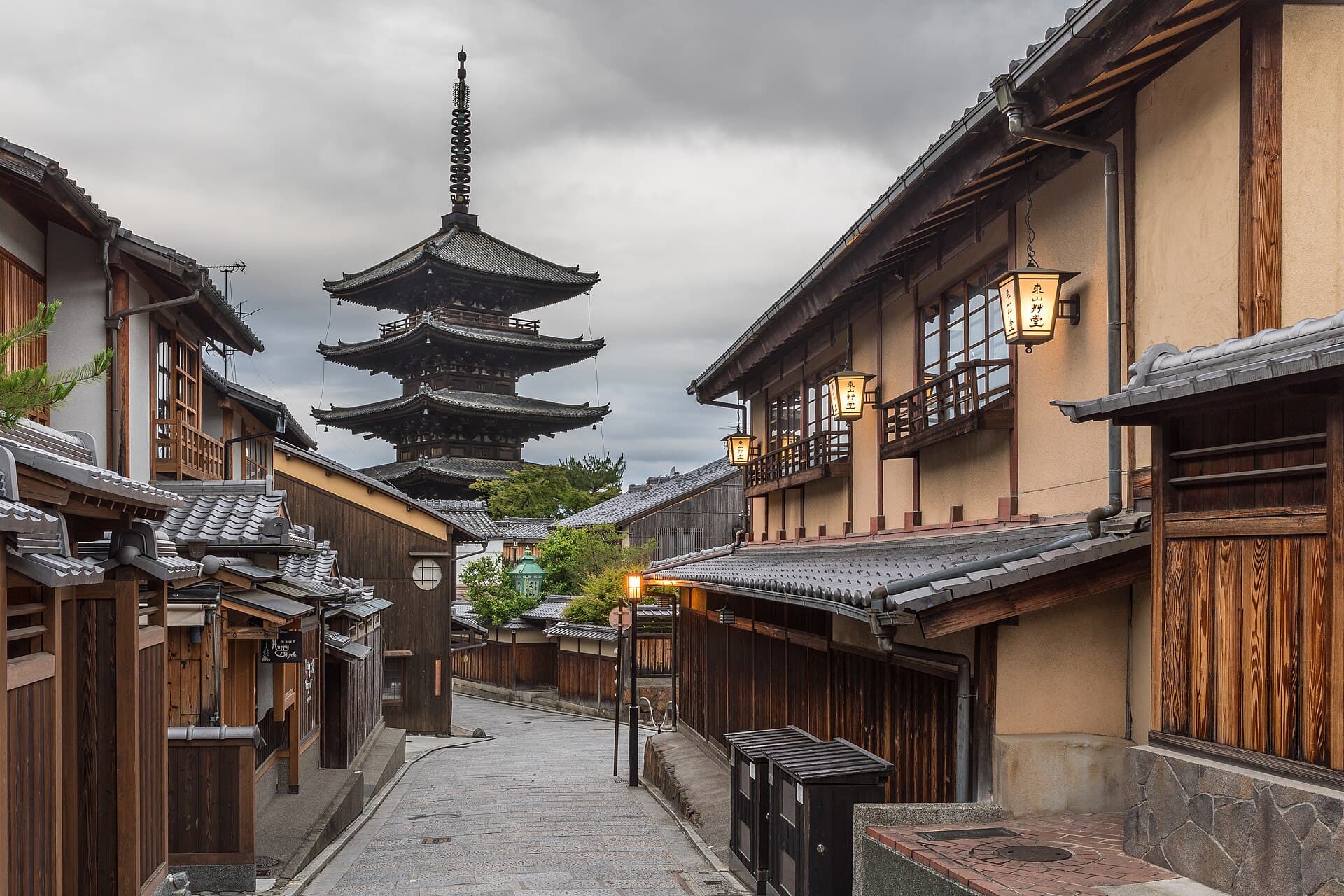
Kyoto has some of the most recognizable sights in Japan, and surprisingly few of them are tall buildings. Here, a wooden temple hangs over a hillside, orange gates disappear into a forest, and a five-story pagoda rises above a street of small shops. The mountains around the city are part of the view almost everywhere you look. It's a very different introduction to Japan from the towers and bright signs of Tokyo.
The difficult part is choosing what to see. You can spend days visiting temples in Kyoto and still have another one on your list. For a first visit, I'd start with these five places. They cover the famous sights, but also leave room for the gardens, streets, and food that make a visit here interesting.
A Little Background on Kyoto
Kyoto was Japan's capital for more than a thousand years, beginning in 794. That helps explain the concentration of temples, shrines, and historic neighborhoods. The city grew around an imperial court long before Tokyo became the center of the country. Today, those older places sit alongside train stations, department stores, universities, and ordinary residential streets. Kyoto is a working city, and a large one at that.
For sightseeing, the geography matters. Higashiyama is on the eastern side, Arashiyama is out west, and Fushimi Inari sits to the south of the center. They might be next to each other on your list, but they aren't next to each other on the map. I'd give the places below three full days, combining Kiyomizu-dera with Higashiyama, keeping a morning for Fushimi Inari, and spending most of another day around Arashiyama.
1. Kiyomizu-dera
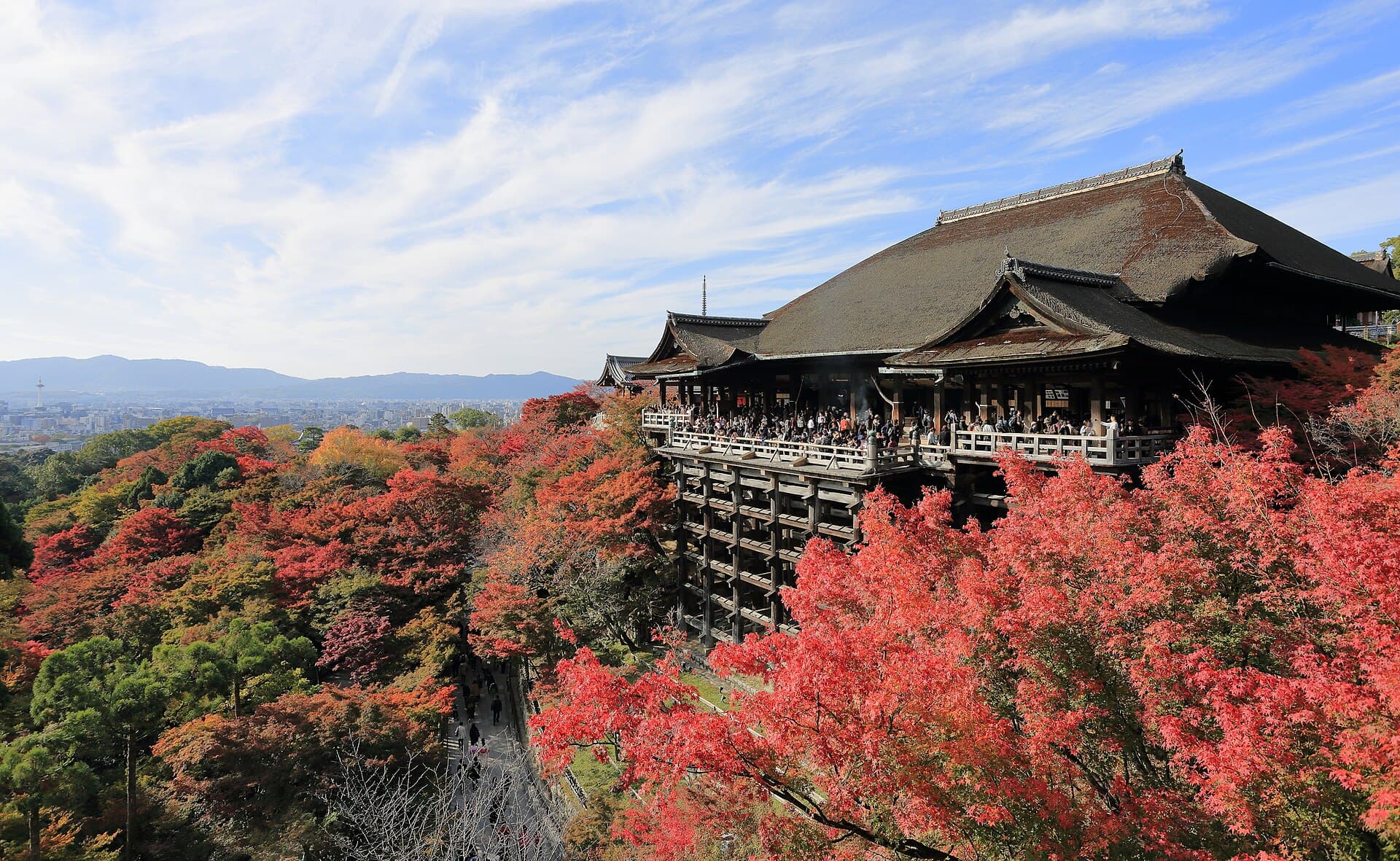
Kiyomizu-dera is the temple I'd put first. Its enormous wooden veranda projects over the slope, with trees below and Kyoto spread out beyond them. From the paths around the main hall, you can also see the pillars holding the whole structure above the hillside. The building is impressive from a distance, but the way it stands on that steep ground is what makes it special.
The temple's history goes back to 778, while much of the architecture you see today dates to a rebuilding in 1633. Its name refers to pure water, and Otowa Waterfall is still part of the temple grounds. There is a lot more here than the famous viewpoint, so allow time to walk through the complex after seeing the main hall.
The approach is uphill and lined with shops. Arriving early is worth the effort if you want to spend more time looking at the temple than trying to move through a crowd. I'd visit the grounds first and leave shopping for the walk back down. For the current opening hours and admission, use the temple's own visitor information; special evening openings have separate dates.
2. Fushimi Inari Taisha
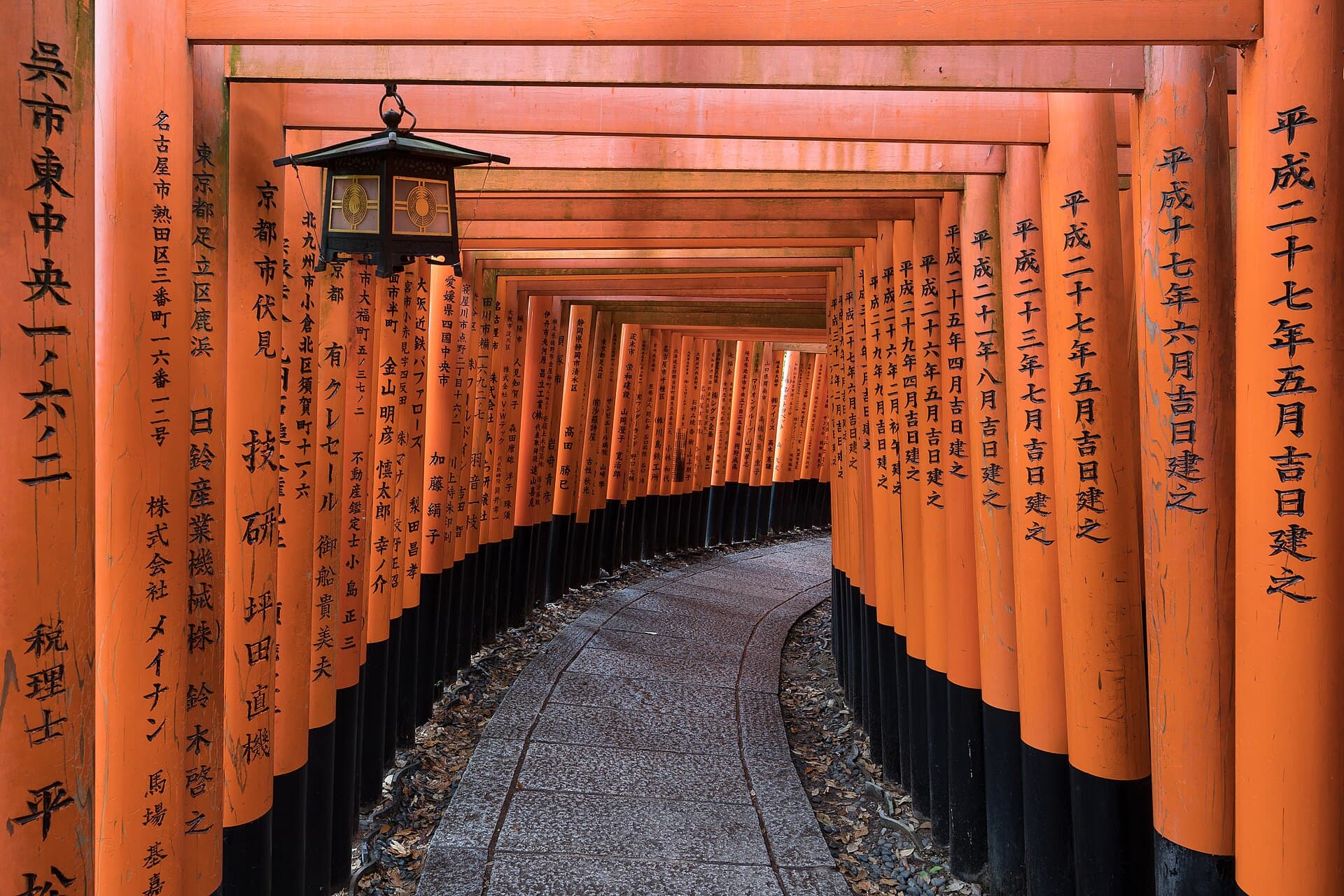
Fushimi Inari is probably the image of Kyoto that most people already know. Rows of vermilion torii gates follow the paths up a wooded mountain, often so close together that they form a tunnel. The names and dates painted on the gates record their donors. It's a striking place, especially where the path bends and the gates seem to continue without an end.
This is a Shinto shrine, whereas Kiyomizu-dera is a Buddhist temple. Fushimi Inari Taisha traces its establishment to 711 and is the head shrine of the Inari shrines found across Japan. The mountain itself belongs to the sacred grounds. Small shrines and stone monuments continue beyond the section of gates that appears in most photographs.
You don't need to climb the entire mountain to visit. The lower grounds and gate paths are enough for a shorter stop, while the higher trails add a substantial walk with stairs. Decide which kind of visit you want before arriving in your least comfortable shoes. I'd put this on a separate morning from Kiyomizu-dera, particularly in warm weather.
JR Inari Station serves the shrine area; check your train's stopping pattern rather than assuming every service stops there. The shrine's access page is useful for choosing between the JR and Keihan approaches. Once inside, allow people space to worship and keep moving when a narrow passage gets busy.
3. Higashiyama and Gion
The pagoda in this article's opening photograph is Yasaka Pagoda at Hokan-ji. It rises above the low buildings of Higashiyama, and the streets around it are a big part of Kyoto's appeal. Wooden shopfronts, tiled roofs, stone slopes, and small lanes make this an area where the walk between landmarks deserves as much attention as the landmarks themselves.
Sannenzaka and Ninenzaka fit naturally into the same outing as Kiyomizu-dera. Continue toward Yasaka Shrine and Gion if you still feel like walking. There are plenty of places to pause for tea, sweets, or a proper meal along the way. I wouldn't book a second major attraction immediately after the temple; give yourself an afternoon for this side of the city.
Gion and Higashiyama are historic districts, but they aren't an open-air set. People live and work here. Stay out of lanes marked private, follow photography signs, and don't stop geiko or maiko for a picture. Kyoto's visitor guidance also asks people to avoid blocking roads and shop entrances. The scenery is lovely without needing to turn somebody's doorway into a photo session.
4. Arashiyama and Tenryu-ji
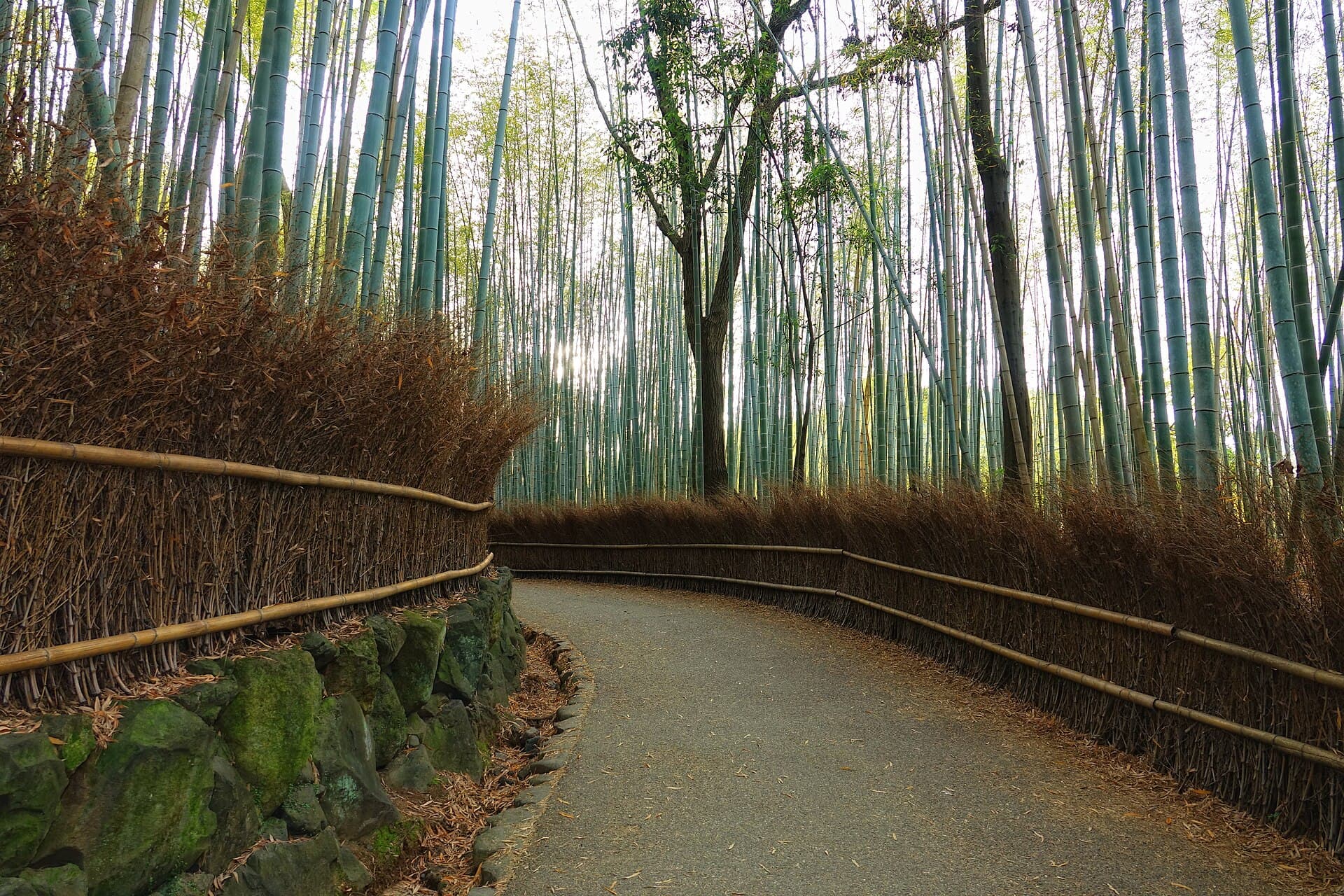
Arashiyama is on the western edge of Kyoto, where the city reaches the mountains. The bamboo grove is the famous stop: tall green stems rise on both sides of the walkway, with their leaves forming a canopy overhead. It's beautiful, but the main walking section is relatively short. Come for the wider area as well, or you may find that the journey across town takes longer than the thing you came to see.
Togetsukyo Bridge and the riverside give you a more open view of Arashiyama. You can see the wooded hills from the water, then return toward the shops and temple grounds. This combination is why I'd give the area most of a day. The bamboo, river, and garden are close enough to form one outing without repeatedly crossing Kyoto.
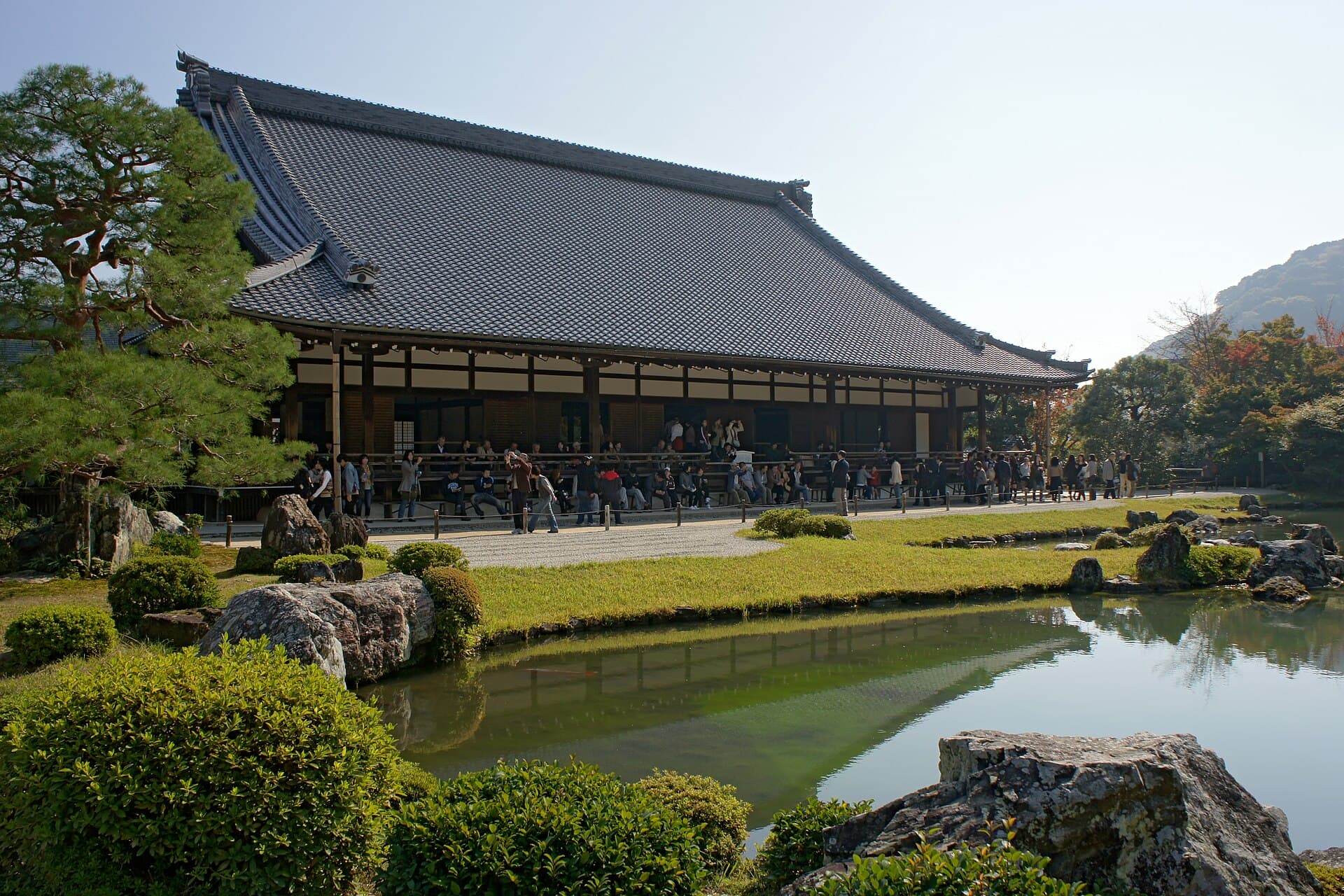
Tenryu-ji is the garden stop I'd include. The pond, rocks, and trees are arranged against the hills behind the temple, bringing the surrounding landscape into the view. The temple was founded in 1339, and its garden is associated with the Zen master Muso Soseki. Check which areas your admission covers, since visiting the garden and entering the buildings can involve different tickets.
For getting here, compare the station nearest your accommodation with the Arashiyama area guide. JR Saga-Arashiyama, the Randen terminus, and Hankyu Arashiyama serve different approaches. A station name containing “Arashiyama” doesn't mean it is the same arrival point as another line.
5. Nishiki Market
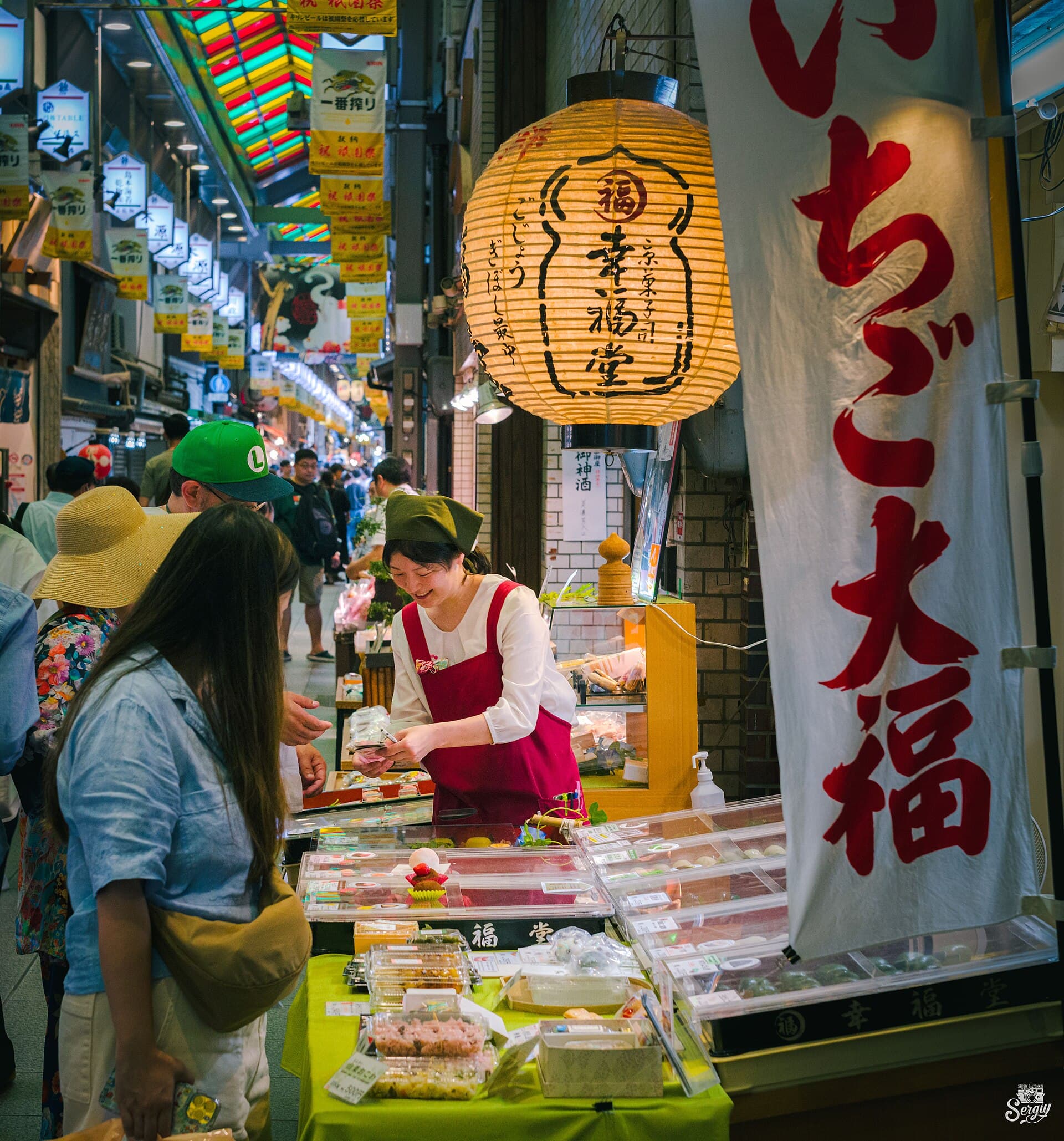
After the temples and gardens, Nishiki is a good place to turn your attention to food. The covered market has shops selling pickles, seafood, sweets, and ingredients used in Kyoto cooking. There's plenty to look at even before deciding what to eat. A small purchase or two is a better way to explore than treating the whole street as a single restaurant.
The market association explains how closely Nishiki's history is tied to the city's food culture. Today, visitors share the narrow passage with people shopping and working. Eat where the seller directs you, rather than walking through the crowd with food in hand. Shop hours vary, so this is an afternoon stop rather than somewhere I'd leave until late at night.
Nishiki also works well on the day you visit Fushimi Inari. Spend the morning at the shrine, come back into central Kyoto, and have time for the market and surrounding shopping streets. If markets are one of your favorite parts of a city, our Vancouver guide covers another very different one at Granville Island.
Where to Stay
For these five stops, I'd look around central Kyoto near a useful train or subway station. The Shijo and Karasuma area is worth considering for restaurants and transport; accommodation near Kyoto Station makes arrival and departure easier. Higashiyama is appealing if the historic streets are your main reason for coming, but check the actual journey from a hotel to your planned sights before booking it.
Three full sightseeing days would be my starting point, with travel days added separately where possible. Kyoto rewards having enough time to walk between places. You could see a few famous attractions on a day trip, but this list would be rushed in that time.
Is Kyoto Worth Visiting?
Absolutely, especially if architecture and gardens are part of what draws you to Japan. Kiyomizu-dera and Fushimi Inari would be major attractions in any city; having both, along with Higashiyama and Arashiyama, makes Kyoto an easy recommendation.
I would keep the list fairly short on a first visit. A temple becomes harder to appreciate when you're already thinking about the next three. These five stops give you a strong introduction, with enough variety that the days won't feel like repetitions of each other.