Lisbon and Porto are the two cities I'd build a first trip to Portugal around. Lisbon has its hilltop neighborhoods, trams, and huge squares beside the Tagus. Porto has a much tighter riverfront, with tall, narrow buildings crowded above the Douro and an iron bridge connecting it to Gaia. Both are beautiful, but they don't feel like the same stop twice.
A week gives you time for three nights in each city, with a day in Sintra while you're staying in Lisbon. There's just one hotel change, and the train handles the journey between the cities. You won't need a rental car for this trip.
The plan below includes your arrival and departure days. It works best if you fly into Lisbon and out of Porto, though you can reverse it. Here's what to see along the way.
Where to Stay in Lisbon and Porto
In Lisbon, Baixa is the straightforward choice for this itinerary. It's the downtown district, with a grid of streets leading toward Praça do Comércio. Chiado is another option if you'd like shops and cafes close by, although the walk back to your room may involve a hill.
Alfama is a different proposition. Narrow lanes, stairs, and older buildings are part of its appeal, but they're less appealing with a large suitcase. Check the exact address and whether your accommodation has a lift. A place that looks close to everything on the map can still involve a tiring climb.
For Porto, look around the historic center or near São Bento. Ribeira puts you beside the Douro, which is lovely in the evening, but much of the city is uphill from there. My preference for a first stay would be a central room with a manageable station connection. You can spend plenty of time at the river without sleeping directly above it.
Day 1: Baixa and Lisbon's Riverfront
Praça do Comércio
Start with Praça do Comércio once you've dropped your bags. The square opens onto the Tagus, with yellow buildings along the other sides and the Rua Augusta arch marking the route back into Baixa. It's a good first look at the scale of central Lisbon: broad and open by the water, then much narrower as you move into the older neighborhoods.
Walk up Rua Augusta and explore the surrounding streets. This is an easy afternoon to shorten if you've arrived on a late flight. With more time, continue toward Chiado for shops and a coffee. Save tickets with fixed entry times for another day, when you know you'll be in the city.
A pastel de nata belongs somewhere in this afternoon. The custard tart is a small enough commitment that you can try another bakery tomorrow. Finding your own favorite is more fun than spending the whole trip following a ranking.
Day 2: Belém and Alfama
Jerónimos Monastery
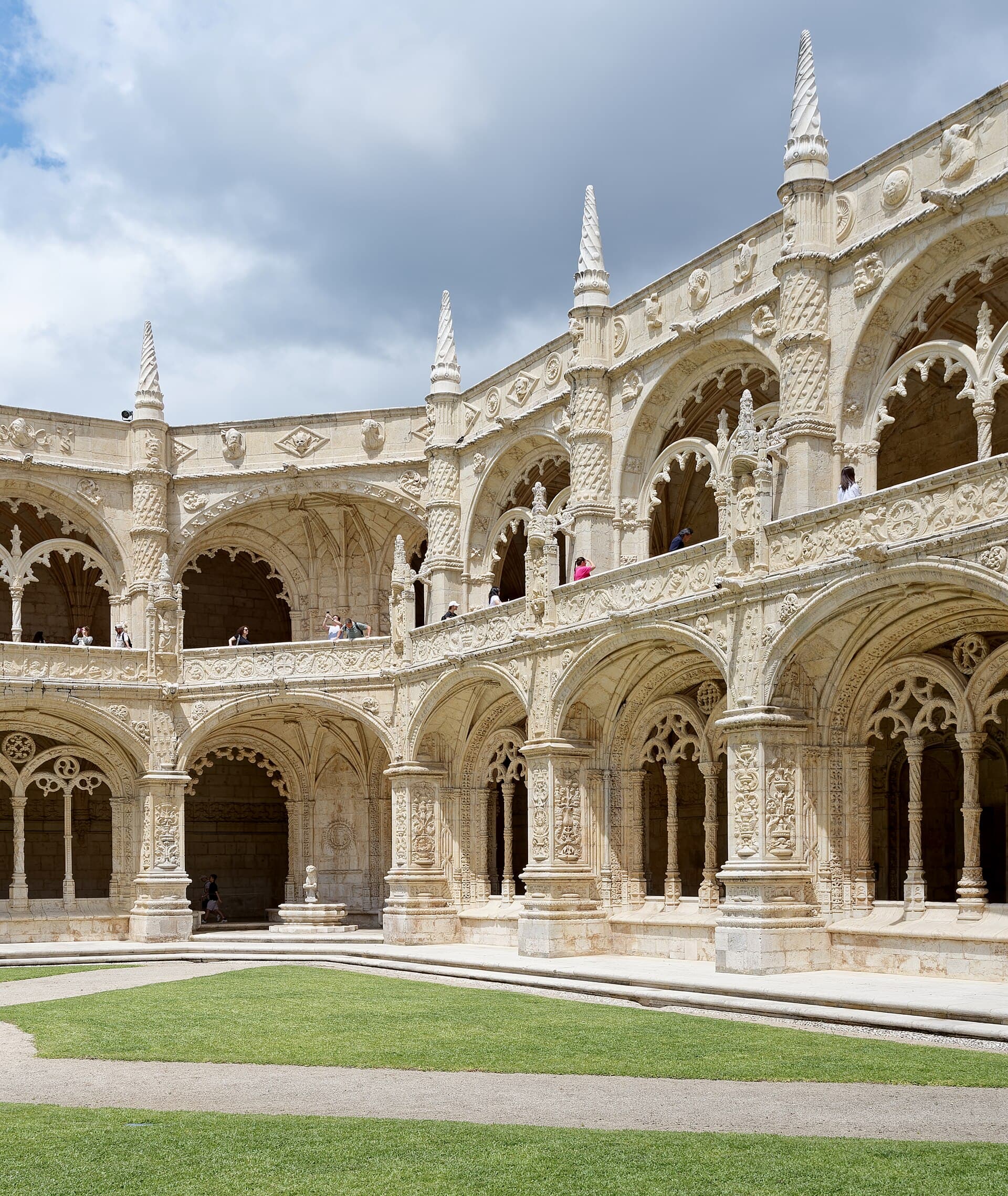
Belém is west of central Lisbon, so take transport out and give it the morning. Jerónimos Monastery is the main stop. The building was commissioned by King Manuel I, and its carved stonework is the kind of detail that deserves a closer look. The two-level cloister, with its arches around an open courtyard, is particularly impressive.
The monastery's official page separates the church and cloister visiting information. Check that before booking, including the opening days. Arriving at a famous building isn't much use if the part you want to enter is closed. I'd make the cloister the priority here and allow extra time for any queue.
Nearby, Pastéis de Belém has been making its pastries since 1837. That's a long time for one bakery to hold people's attention. Stop for a tart and coffee if it suits your morning, then walk toward the waterfront. Belém has more museums and monuments than you'll cover in a few hours, so don't feel obliged to buy a ticket for everything you pass.
Alfama and Portas do Sol
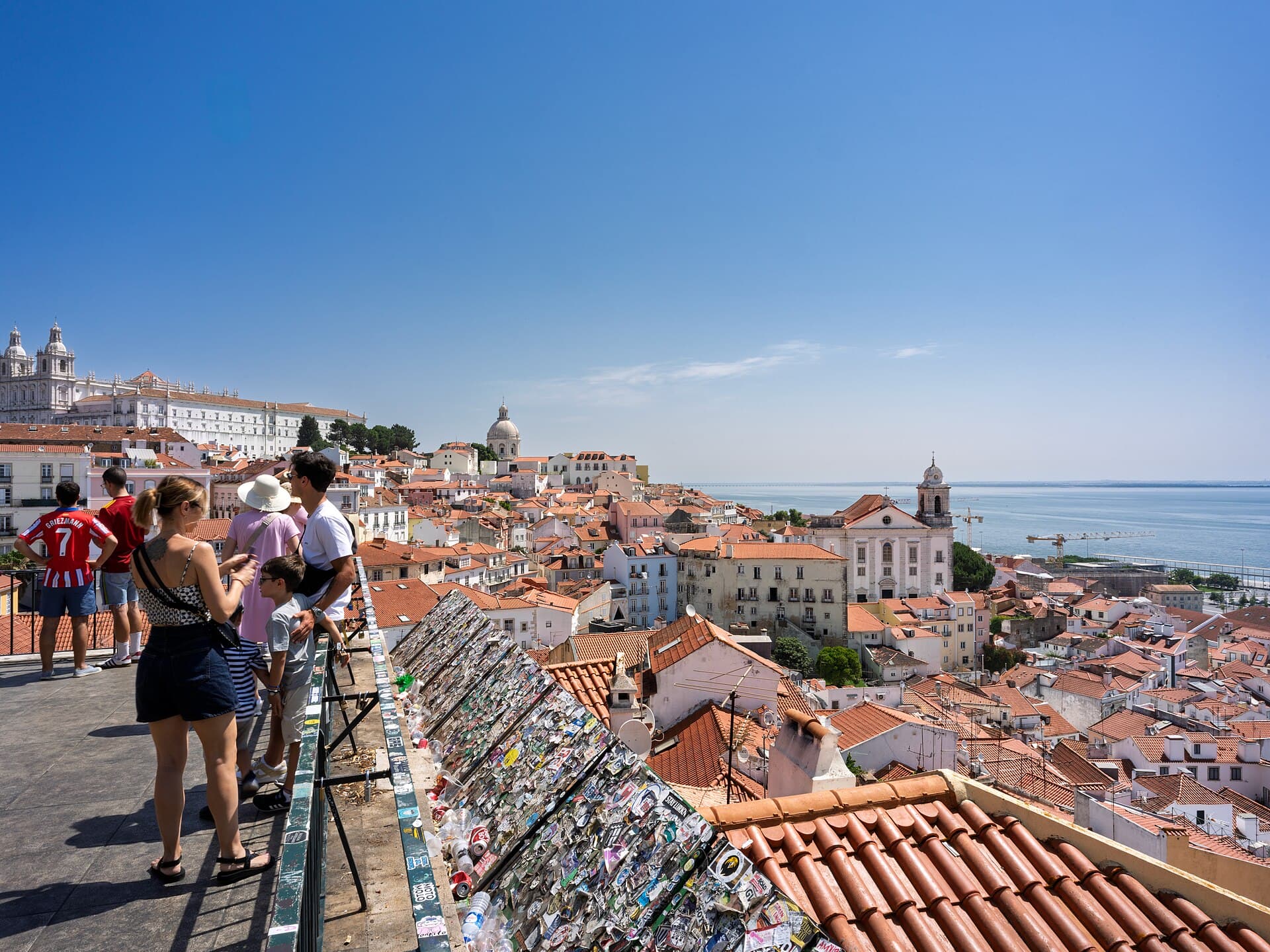
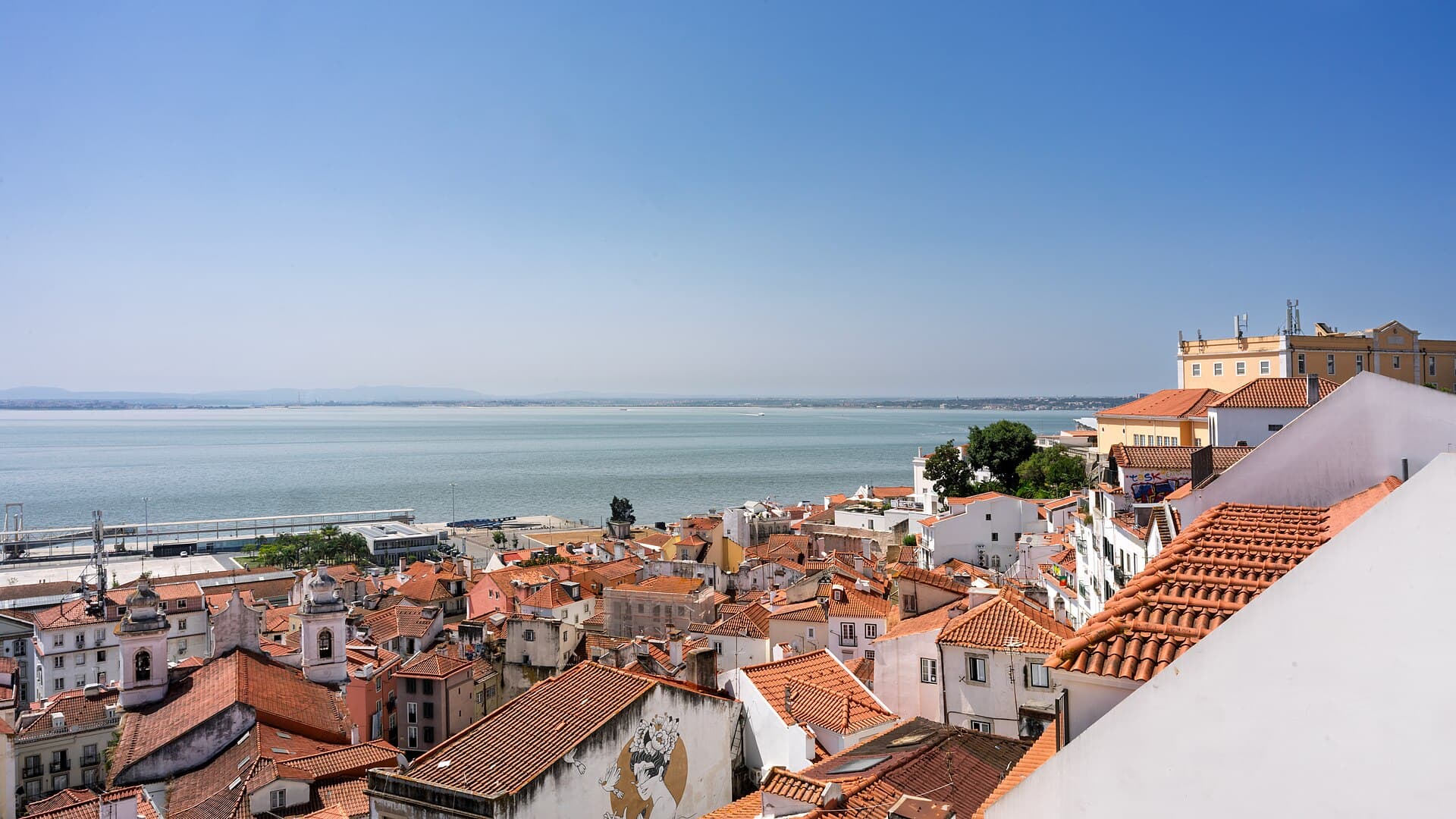
Return toward central Lisbon for a break, then spend the later part of the day in Alfama. This is where Lisbon's steep streets become part of the experience. Stairways connect little lanes, the buildings sit close together, and every so often the view opens over the roofs toward the river.
Portas do Sol is a good viewpoint to aim for. The attraction is the neighborhood below you as much as the distance you can see. If climbing hills is difficult, take transport toward the upper part and choose a shorter walk from there. You'll still get the setting without turning the afternoon into an endurance test.
For the evening, a fado performance fits naturally here. Read the venue's arrangement before booking: some evenings include dinner, others have a minimum spend or separate tickets. Give the music your attention once it starts. This is worth setting aside an evening for if it interests you.
Day 3: Sintra and Pena Palace
Why Visit Pena Palace?
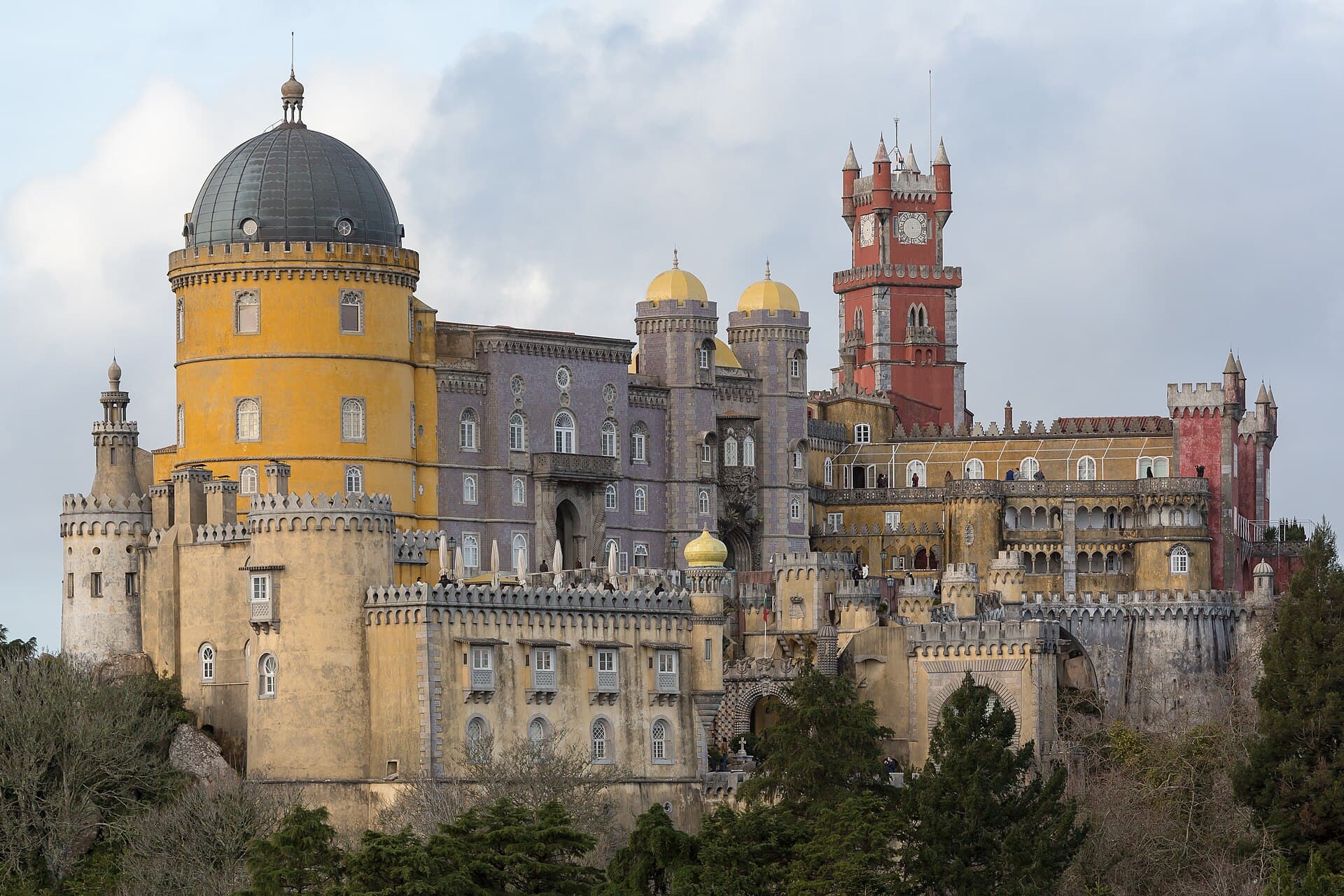
Pena Palace is probably the most recognizable building in Sintra. The red and yellow walls, towers, and wooded hilltop look completely different from the monastery you saw yesterday. Its appearance also makes more sense once you know the history: Ferdinand II bought the former monastery in 1838 and developed it into a palace. The official history explains how the old buildings became part of that much larger project.
The palace is my pick for a first Sintra visit. Look at the terraces and architectural details, but leave time for the park as well. It's easy to concentrate on the famous colored walls and forget that the surroundings are a large part of why the site works so well.
Getting There and Booking Tickets
Take the train from Lisbon to Sintra, using CP's planner for the service that suits your accommodation. From Sintra station, there's another journey uphill to the palace area. Keep that separate from the train time when planning your morning.
Book through Parques de Sintra and check the ticket type. Palace entry has a selected time, and getting to the park gate doesn't mean you've reached the palace door. The visitor guidance explains the uphill transfer inside the park and the restrictions on private cars around Pena and the Moorish Castle.
After the palace, have lunch and decide whether you want another visit or more time in town. One major site is a reasonable day trip once transport, walking, and queues are included. Return to Lisbon for your third night. If extreme weather or fire risk affects access, follow the site's notices and rearrange the day.
Day 4: The Train to Porto
Today you'll travel north on an Alfa Pendular or Intercidades service. Check the CP timetable for your departure station and travel time, then book the service for your date. The railway connection is what makes these two cities work so well in a one-week trip.
Pay attention to Porto's station names. Campanhã is the principal long-distance arrival station; São Bento is a separate, more central station. Work out that last connection before getting off with your luggage. Allow the morning for travel and checking in, then head down toward Ribeira in the afternoon.
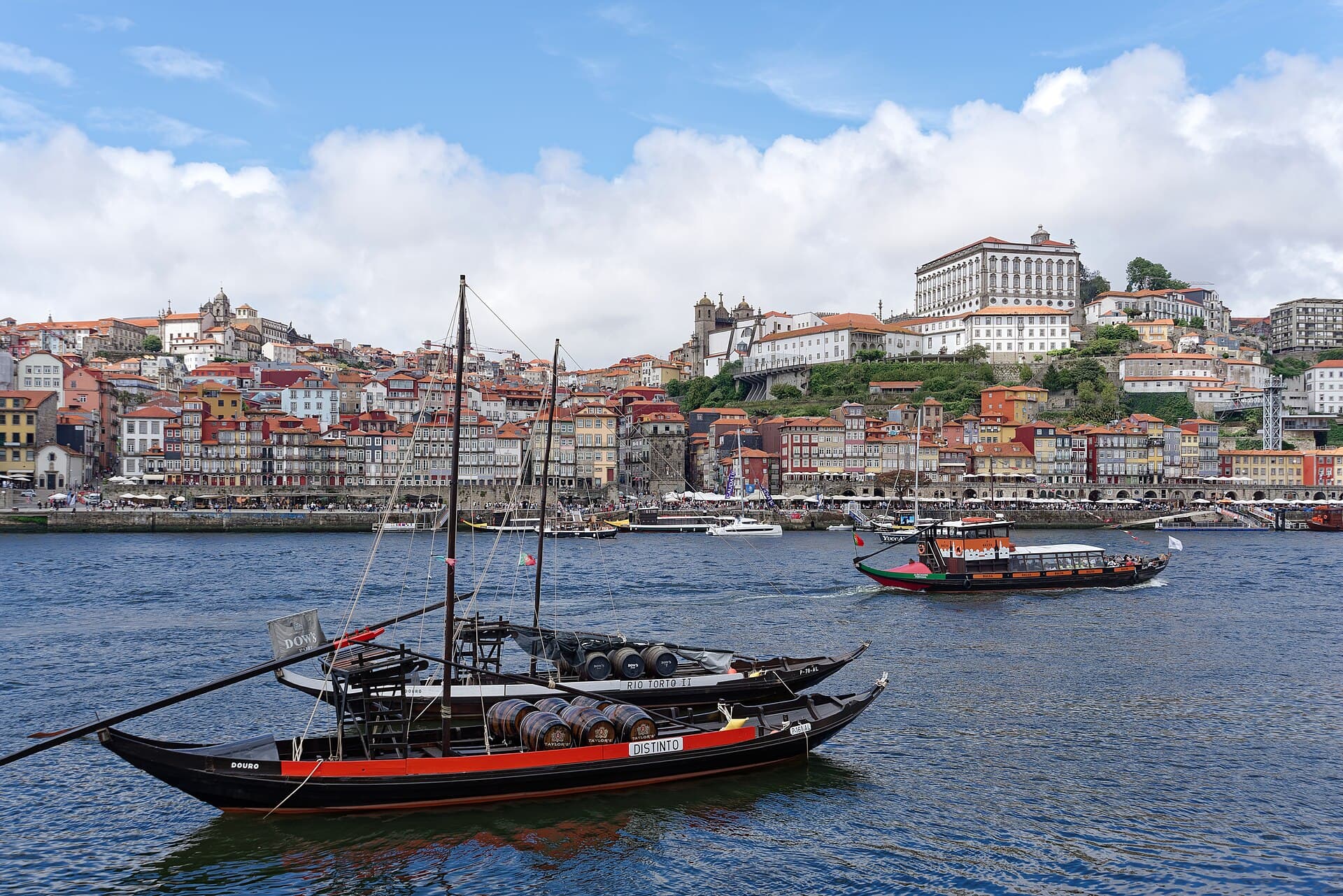
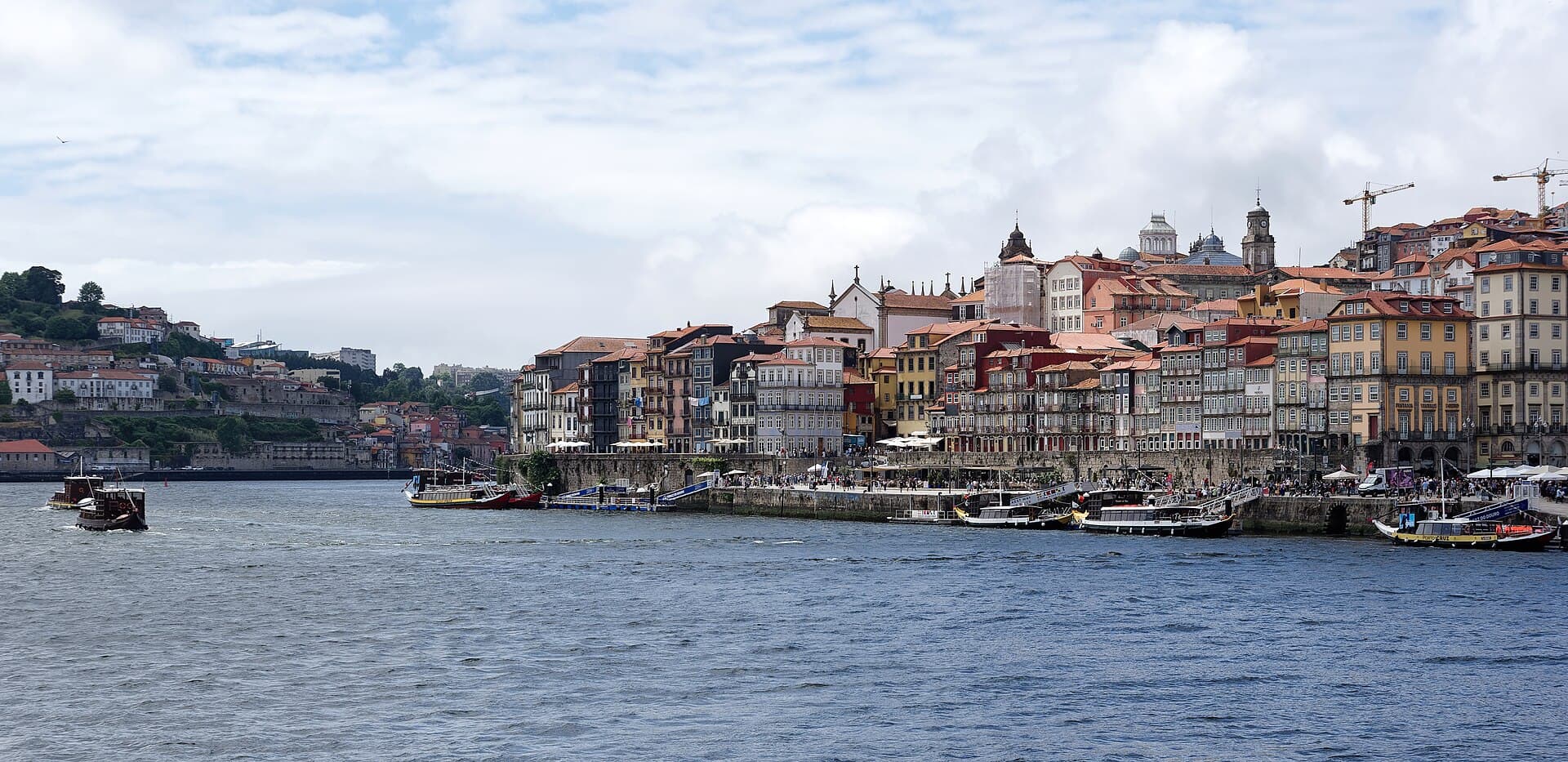
Ribeira is the waterfront you've probably seen in photographs: buildings packed together above the quay, restaurant tables outside, and the Douro running past them. There is plenty to look at without an admission ticket. Walk along the water, have something to eat, and leave the climb through the historic center for tomorrow.
Day 5: São Bento, Ribeira, and Gaia
São Bento Station
Start at São Bento station, even if you aren't taking a train. The entrance hall is lined with roughly 20,000 painted tiles by Jorge Colaço, showing scenes from Portuguese history and the development of transport. It is an extraordinary amount of work to find in a functioning railway station.
Take a little time to look at individual panels, then continue through the historic center. This is a good morning for the area around the cathedral and a walk down toward the river. The streets are steep in places, so wear the shoes you've already broken in. Porto isn't the place to discover that a new pair gives you blisters.
Crossing the Luís I Bridge
The Luís I Bridge opened in 1886 and has two decks. The upper level carries the Metro and connects the higher parts of Porto and Gaia; the lower level is closer to the riverfront. Pedestrians can use the designated walkways, so choose the crossing that fits where you are rather than climbing simply to follow a map pin.
For a wider view, the upper crossing is the one I'd choose. Stay on the pedestrian path and pay attention to the Metro. Once across, you can look back at Porto from the Gaia side, which is one of the best reasons to make the crossing in the first place.
Port Wine Cellars
Gaia's wine cellars are another reason to come across the river. If you'd like to visit, choose a guided cellar tour with a tasting and check what is included. Some bookings focus on the wine; others give you more time in the cellars and explain how it is made and aged. Pick the experience you want rather than assuming they are interchangeable.
For dinner, take a look at Porto's own dishes. Francesinha and arroz de polvo are two possibilities; the latter is octopus rice. Check ingredients if you have dietary restrictions. You can enjoy an evening in Gaia without a tasting, too—the river view doesn't require an interest in wine.
Day 6: Foz and the Atlantic
After several days of buildings and hills, head west toward Foz. This is where the Douro reaches the Atlantic, and the coastal district gives you a very different view of Porto. The riverfront leads toward the sea, with promenades and beaches farther along the coast.
Take local transport for the longer journey, then choose a section to walk. Make time for lunch and a look at the water. The appeal here is having an afternoon outside the busiest sightseeing streets. Swimming depends on sea conditions; a beach in the itinerary isn't a promise of a swimming day.
If the weather is poor, spend the day on whatever you missed in Porto. A museum, another neighborhood, or a longer lunch will do. The Douro Valley is an alternative if vineyards are a major interest, but make it a full-day replacement for Foz rather than another stop to add afterward.
Day 7: Depart From Porto
Have breakfast and leave time for the airport journey. For a late flight, ask the hotel to keep your bags and revisit somewhere nearby. This last morning is especially useful if rain changed one of your earlier days.
If your return flight leaves from Lisbon instead, travel back on day six and spend your final night there. That changes the route slightly, but it gives you a much more comfortable departure than relying on a long train journey before a flight.
Is One Week Enough for Portugal?
For Lisbon, Sintra, and Porto, yes. You get two cities with their own character, a day in the Sintra hills, and a coastal afternoon at the end. There are obvious omissions—the Algarve, Madeira, and the Douro Valley all deserve time—but they also give you plenty to come back for.
Book the two hotel stays, the intercity train, and your Sintra visit first. After that, the trip can stay fairly flexible. If Portugal is part of a longer European holiday, our Paris guide is another place to start planning. Give that its own days; this week already has a lot worth seeing.